
That is the real challenge for branding today. Consistency is no longer only a question of whether the logo is placed correctly or whether the colour palette is respected. As brands produce more content across more platforms, the more difficult task is maintaining a recognizable behaviour: the way a brand speaks, moves, responds, explains, celebrates, sells and supports. Recent creative analysis describes this shift clearly, arguing that many brands have become better at visual consistency while still struggling to preserve the distinctive feeling that makes them recognizable across every interaction. (Creative Bloq)
A brand can look consistent and still feel fragmented
Traditional brand guidelines were designed for a world where brand expression moved more slowly. A company needed rules for print materials, campaigns, packaging, signage, websites and corporate presentations. Those rules remain important, but the number of touchpoints has multiplied. Brands now need to appear in short-form video, social content, customer support flows, onboarding screens, product interfaces, newsletters, AI-generated content, motion graphics, event materials and internal communications, often produced by different teams under significant time pressure.
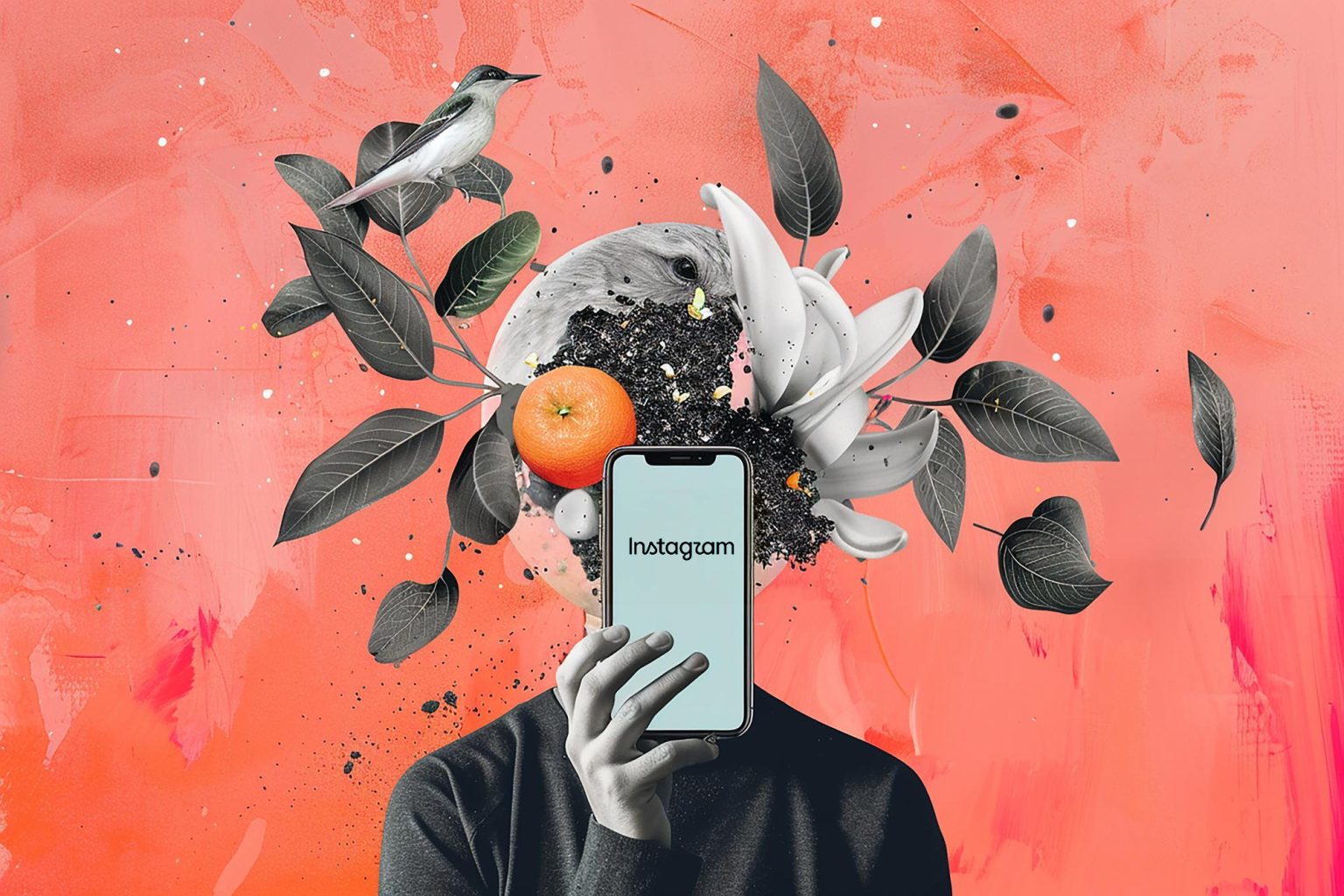
This creates a new form of inconsistency. A brand may use the correct typeface, the correct colours and the correct logo placement, while still feeling emotionally inconsistent from one channel to another. The LinkedIn content may sound formal, the Instagram content may feel playful, the website may sound generic, the sales deck may feel corporate and the customer emails may carry a completely different tone. Nothing may be technically “wrong” according to the guidelines, but the brand no longer behaves as one coherent personality.
Brand behaviour is where recognition becomes emotional
Visual recognition helps people identify a brand, but behaviour helps them understand what kind of brand it is. The difference matters because customers do not experience brands as isolated design elements. They experience them through repeated interactions that gradually build familiarity, trust and expectation. Every touchpoint contributes to how the audience interprets the organization, whether that touchpoint is a website headline, a product notification, a customer service message or the rhythm of an animated logo.
This is why typography, motion, tone of voice and interaction design have become more important in brand systems. Typography, for example, appears across almost every brand touchpoint, from websites and packaging to social media, invoices and internal presentations, shaping perception long before the audience consciously analyses the words themselves. (Creative Bloq) Motion works in a similar way because it reveals attitude: a brand can move quickly, calmly, playfully, elegantly or aggressively, and each choice communicates something about its personality. Creative Bloq’s recent analysis makes this point directly, noting that motion is one of the places where brand behaviour becomes especially visible because pace, rhythm and attitude are difficult to hide. (Creative Bloq)
Guidelines are not enough when production scales
The pressure on brands is not only creative. It is operational. Marketing teams are expected to produce more assets, more campaigns, more platform-specific variations and more real-time responses than ever before. AI tools have accelerated production even further, allowing teams to generate more content in less time, but faster production does not automatically create stronger brand expression. In fact, when content is produced quickly without a clear behavioural system, it often amplifies inconsistency.
This is where the difference between guidelines and behaviour becomes critical. Guidelines can define how a brand should look, while behaviour defines how it should act across situations. A brand behaviour system answers questions that a classic PDF guideline often leaves unresolved. How does the brand sound when it explains something complex? How does it respond when something goes wrong? How does it move in video? How does it behave in a product interface? How does it simplify information without losing authority? How does it use humour without weakening trust?
These questions are not cosmetic. They shape the customer experience and influence how people remember the brand.
The strongest brands behave consistently across touchpoints
A consistent brand does not need to sound identical in every context, because a social caption, a product notification and a corporate announcement cannot serve the same function. What it does need is a recognizable logic behind every expression. The tone can adapt, but the personality should remain stable. The format can change, but the underlying behaviour should feel familiar.
This is the point where many organizations struggle. They interpret consistency as repetition, when it should be understood as coherence. Repetition makes every asset look the same. Coherence allows the brand to adapt intelligently while remaining unmistakably itself. A brand that understands its behaviour can become more flexible, not less, because every team knows how to make decisions without reducing the identity to a checklist.
This is also where design systems and brand guidelines need to work together. Design systems help teams build consistent digital products through components, tokens and documentation, while brand guidelines govern the broader visual and verbal expression of the identity across channels. Both aim to create consistency, but neither is sufficient if the organization has not defined how the brand should behave when it meets real people in real contexts. (UserQ)
The role of The Design Agency
The Design Agency approaches branding as a system of expression, not as a collection of visual assets. A logo, a colour palette and a typography system are essential, but they are only the visible surface of a much broader strategic process. Before defining how a brand should look, The Design Agency examines how it needs to communicate, how its audience makes decisions, where the customer experience becomes fragmented and which behaviours must remain consistent across every touchpoint.
Through consulting, brand strategy, creative direction and digital design, The Design Agency helps organizations move beyond static guidelines and build brand systems that can actually function in daily communication. This includes tone of voice, messaging architecture, visual identity, typography, motion principles, social media expression, website experience, presentation systems and digital touchpoints that work together as one coherent brand presence.
The value of this approach is not simply aesthetic. When a brand behaves consistently, customers understand it faster, teams produce content with greater confidence and every interaction contributes to a stronger perception of trust, clarity and professionalism. In a market where many businesses have access to the same tools, templates and AI-generated outputs, recognizable behaviour becomes one of the few brand assets that cannot be easily copied.
The next challenge for branding
The future of branding will not be defined only by better guidelines. Most serious organizations already have those. The more important question is whether the brand can remain itself when it moves, speaks, responds, explains and adapts across a growing number of channels.
That is why brand behaviour is becoming such a critical part of modern identity. It protects what guidelines alone cannot always protect: the feeling that every interaction belongs to the same brand, even when the format changes. For businesses trying to grow in a fragmented digital environment, this may be one of the most important competitive advantages they can build.