
Today, that distinction is becoming increasingly blurred.
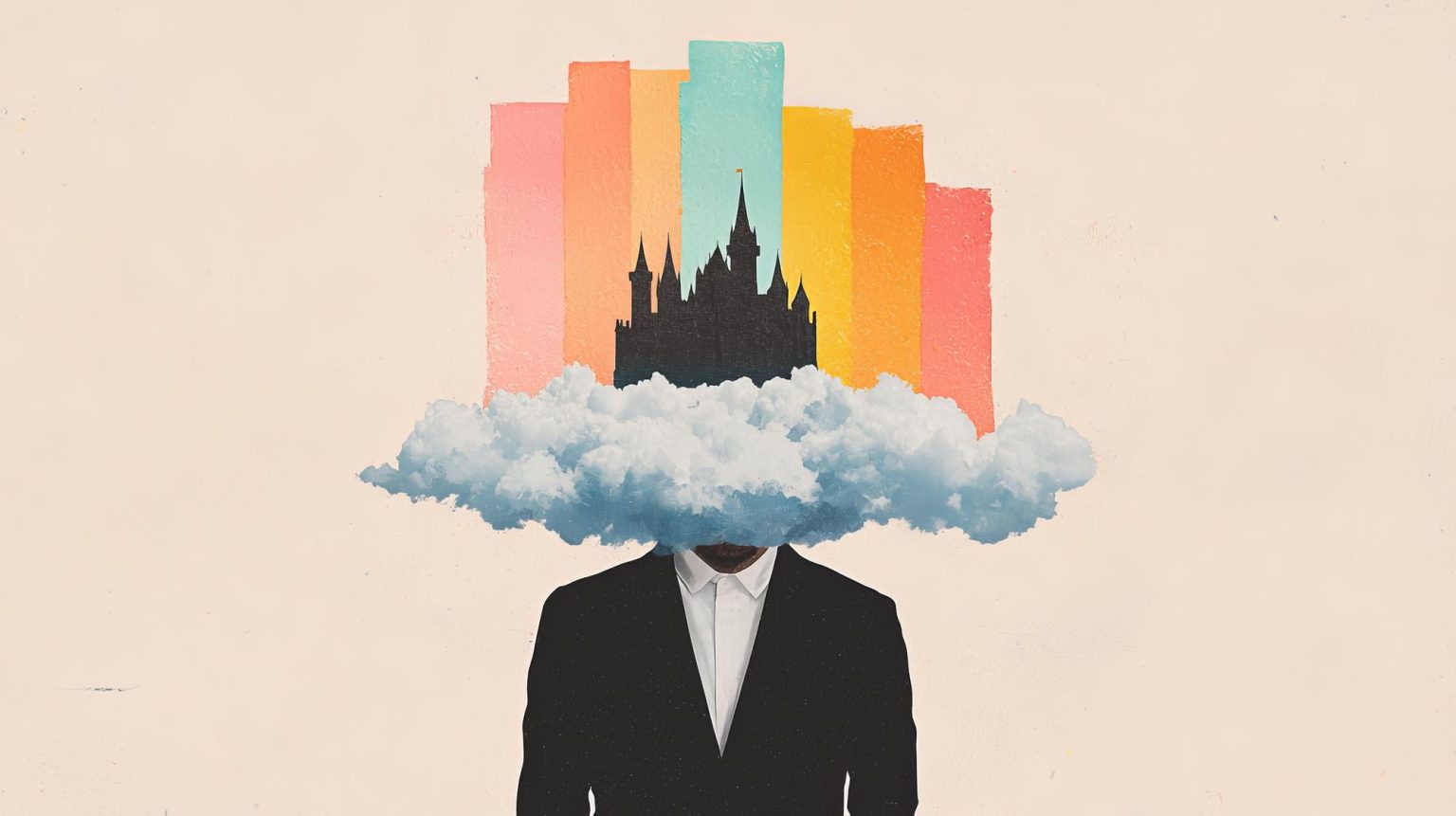
The people making business decisions are still people. They consume content on social media, watch videos, read reviews, compare experiences, and develop expectations based on every interaction they have with brands. Whether they are purchasing software for a company or buying a product for personal use, they expect the same level of convenience, relevance, and authenticity.
The Rise of Human-Centered Business Marketing
Digital transformation has fundamentally changed how buyers research and evaluate solutions. Before speaking with a sales representative, decision-makers often complete a significant portion of their buying journey independently through search engines, social media, online reviews, podcasts, newsletters, and industry content.
As a result, B2B marketing is becoming increasingly focused on creating meaningful experiences rather than simply presenting specifications and features.
Businesses are investing more heavily in thought leadership, educational content, video marketing, personal branding, and community building. The objective is no longer just to generate leads but to build trust long before a purchasing decision takes place.
Trust Has Become a Competitive Advantage
In many industries, products and services are becoming increasingly similar. Features can be replicated, pricing can be matched, and technology evolves rapidly.
What remains difficult to replicate is trust.
This is one of the reasons why modern B2B brands are adopting communication strategies traditionally associated with B2C marketing. Authentic storytelling, customer success stories, transparent communication, and strong brand identity are becoming key differentiators.
Companies are discovering that buyers respond not only to logic but also to credibility, confidence, and emotional connection.
The Growing Role of Personalization
Advances in artificial intelligence and data analytics are making personalized communication more accessible than ever.
Today’s buyers expect relevant content, tailored recommendations, and experiences that reflect their specific needs and challenges. Generic messaging is becoming less effective, while personalized engagement is increasingly driving both conversions and customer loyalty.
This trend is evident across both B2B and B2C environments, further reducing the gap between the two disciplines.
The Future Is Not B2B or B2C
The most successful brands are no longer asking whether they should market like a B2B or B2C company.
Instead, they focus on understanding the people behind the purchasing decisions.
The future belongs to organizations that combine strategic expertise with human-centered communication. Regardless of industry, buyers increasingly expect brands to be informative, authentic, responsive, and easy to engage with.
As technology continues to reshape customer expectations, the line between B2B and B2C marketing will likely continue to fade. What will remain is a single principle: people buy from brands they trust.