For years, digital design followed a relatively predictable formula. Clean grids, symmetrical layouts and carefully structured interfaces became the dominant approach across corporate websites, SaaS platforms and e-commerce experiences. Simplicity and consistency were the primary objectives, creating interfaces that were functional and visually balanced but, in many cases, increasingly difficult to distinguish from one another.
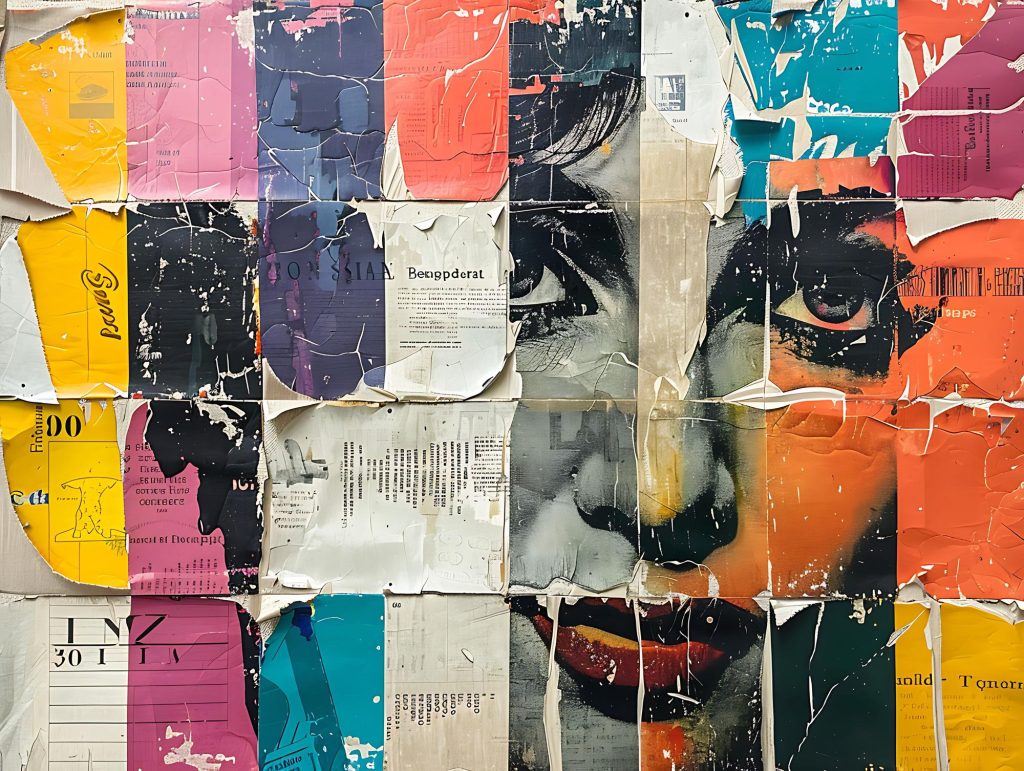
A different direction is now emerging. Rather than treating websites as collections of individual pages, designers are beginning to borrow principles from editorial publishing, creating digital experiences that feel closer to reading a premium magazine than navigating a traditional corporate website. Larger headlines, asymmetrical compositions, generous white space, layered imagery and narrative-driven layouts are becoming more common, not because they are visually fashionable but because they reflect the way people naturally consume information online. Recent design analyses identify editorial-inspired layouts and freeform composition among the most influential trends shaping digital experiences in 2026.
People don’t read websites. They scan stories.
One of the biggest misconceptions in digital design is the belief that visitors consume information in a logical, top-to-bottom sequence. In reality, users scan. Their attention jumps between headlines, images, highlighted content and visual cues, creating a fragmented reading pattern that lasts only a few seconds before they decide whether to continue exploring or leave.
Editorial design acknowledges this behaviour instead of trying to fight it. Every section is treated as part of a larger narrative, allowing the user’s attention to move naturally through the page. Rather than presenting information as isolated blocks, the layout creates rhythm, guiding visitors from one idea to the next through carefully planned hierarchy, spacing and visual emphasis.
This approach transforms navigation into storytelling. Instead of asking users to search for information, the interface gradually reveals it in the same way an editor structures the pages of a magazine, ensuring that curiosity continues to build throughout the experience.
Asymmetry creates attention
For many years, symmetry was considered synonymous with professionalism. While balanced layouts remain valuable in many contexts, perfectly structured pages can also become highly predictable. When every section follows the same proportions and every visual element occupies an expected position, users quickly develop scanning habits that reduce engagement.
Editorial design introduces controlled asymmetry to interrupt those habits. An oversized headline, an unexpected image placement or an intentionally unbalanced composition encourages the eye to pause before continuing its journey. This is not visual experimentation for its own sake. It is a strategic method of directing attention towards the information that matters most.
Some of the world’s most respected digital products, including Apple, Stripe and Linear, increasingly rely on this editorial thinking. Their interfaces demonstrate that asymmetry can create stronger visual hierarchy while maintaining clarity and usability, proving that structure and creativity are not opposing concepts but complementary design principles.
Typography becomes the interface
Perhaps the most noticeable characteristic of editorial-inspired digital experiences is the growing importance of typography. Headlines are no longer treated simply as titles separating sections of content. Instead, they become the primary visual element through which a brand communicates confidence, personality and direction.
Large-scale typography allows visitors to understand the purpose of a page before reading a single paragraph. Combined with carefully considered spacing and restrained use of colour, typography begins to function as the interface itself rather than merely decorating it.
This shift explains why many leading digital brands invest significant effort in typographic systems instead of relying exclusively on illustrations or animation. Well-designed typography reduces cognitive effort, improves readability and creates a memorable visual identity capable of distinguishing one digital experience from another.
Storytelling is becoming a competitive advantage
One of the reasons editorial design is gaining momentum is that it aligns naturally with the way people process information. Visitors rarely arrive on a website looking for design. They arrive looking for answers, solutions or reassurance that they have found the right company. The visual experience simply determines whether they remain engaged long enough to discover those answers.
Editorial layouts support this journey by introducing a narrative structure. Instead of presenting every section with equal visual weight, they establish a sequence that gradually unfolds the story of the brand. The introduction captures attention, supporting sections build understanding, visual elements reinforce key messages and carefully positioned calls-to-action appear only after sufficient context has been established.
This approach reduces cognitive load because users are not forced to interpret the hierarchy for themselves. The design makes those decisions in advance, creating an experience that feels intuitive rather than overwhelming. As a result, visitors spend more time engaging with the content, understand the value proposition more quickly and are more likely to complete the actions the business wants them to take.
Editorial design is not decoration. It is information architecture.
Many organizations associate editorial design with aesthetics alone, assuming that it simply introduces larger typography or more expressive layouts. In reality, successful editorial experiences begin long before colours, images or animations are considered.
The foundation is information architecture.
Before designing a single interface, it is necessary to understand what information matters most, how different audiences consume it and which questions must be answered first. Editorial thinking prioritizes clarity over quantity, recognising that every additional element competes for the user’s attention.
This is why many websites fail despite having modern visuals. They contain all the necessary information, but it is presented without rhythm, hierarchy or narrative. Visitors are left to assemble the story themselves, increasing friction and reducing engagement.
The most effective digital experiences remove that burden by guiding users through information in a deliberate and carefully structured way.
Why businesses should care
Editorial-inspired design is not simply a creative trend. It directly influences how a business is perceived.
A well-structured digital experience communicates confidence, professionalism and clarity before a visitor reads a detailed product description or speaks with a member of the sales team. Every interaction contributes to trust, and trust remains one of the strongest drivers of business decisions, particularly in competitive markets where products and services often appear similar.
As digital experiences become increasingly important across every industry, businesses that invest in thoughtful design are not investing only in appearance. They are investing in communication, customer perception and long-term differentiation.
How The Design Agency approaches editorial thinking
At The Design Agency, editorial design begins long before the first layout is created. Every project starts with understanding the business itself: its objectives, its audience and the information that matters most to potential customers.
Through consulting, UX strategy and content planning, we identify communication gaps, define a clear information hierarchy and design digital experiences that support both user needs and business goals. Visual design becomes the final expression of a much broader strategic process rather than the starting point.
This approach enables organizations to transform websites from static collections of pages into communication platforms that educate, engage and convert. Rather than asking visitors to search for value, we help businesses present it through intuitive storytelling, purposeful design and carefully structured digital experiences.
Editorial design is reshaping digital experiences because it reflects a fundamental shift in how people consume information online. The websites that stand out today are not necessarily the ones with the most animations or the boldest visuals. They are the ones that guide attention, communicate with clarity and create a natural flow from curiosity to understanding and ultimately to action.
As digital competition continues to intensify, businesses that embrace editorial thinking will be better positioned to create experiences that are not only visually distinctive but strategically effective. In a world where attention has become one of the most valuable resources, the ability to tell a compelling story through design is no longer a creative advantage alone. It is a business advantage.
Every digital experience tells a story. The question is whether it is telling the right one.
If your website no longer reflects your brand, struggles to engage visitors or fails to convert attention into meaningful business results, contact The Design Agency. Through strategic consulting, UX expertise and creative direction, we help businesses design digital experiences that combine editorial thinking, business strategy and measurable performance.